Eugène Atget (French, 1857-1927)

Berenice Abbott (American, 1898-1991)
Eugène Atget
1927
Gelatin silver print
Atget’s shadow
Eugène Atget‘s (French, 1857-1927) photographs bridge the gap between subjective and objective representation – on the one hand extolling the subjective quality of art as an expression of the artist’s inner self; but on the other, providing a rejection of artistic consciousness, his objective “documents for artists” appealing to the Surrealists who used his images in publications such as Révolution Surréaliste.
In their presence, the photographs of Atget proffer an intimate in/tension (intention) – between representation and abstraction, documentary and modern, ordinary and dream. His photography, “which focussed on seemingly ordinary sights on the streets of Paris – a door knocker, a mannequin, a window rail – is seen as a forerunner of Surrealist and modern approaches to photography.”1
Further, “The critic and philosopher Walter Benjamin famously invoked crime scenes in discussing Atget’s photographs. He was pointing to their emptiness, their clinical attention to details of the urban landscape, their absolute rejection of the sentimental and the grandiose. … In Atget’s Paris, “the city is evacuated, like an apartment that hasn’t yet found its new tenant,” Benjamin wrote.”2
And yet, there is always something of the artist in every photograph, no matter how criminal the raping of time.
Looking at Atget’s photographs of parks, I believe that the “park” with Atget takes some of its meaning from the ownership of the parks and the royalty/citizen system that was in place at the time AND what that might allow. Here is the photographer bearing his heavy camera like a tramp on the road, wandering in an empty domain owned by a higher power – and using its magnificence to discover more about the self searching vagabond.
Sometimes the question: “is there anyone here” is answered like Cocteau in Beauty and the Beast, and the answer is: “yes there is – yourself” says the (objective) camera. Sometimes, in other ways, the photographer goes nearly crazy with the possibilities of photography: what is the truth about my presence, the presence of a rock, or the sky? Yes, there is you, but in saying that it opens up all these other (subjective) possibilities. The options of inserting ourselves into representation, into what photography can hold, drives us crazy.
As Lee Friedlander observes, “The photographs of these places … are a hint, just a blink at a piece of the real world. At most, an aphrodisiac.”
Dr Marcus Bunyan 2020
1/ “Surrealism did not always involve the strange and absurd. For example, the photography of Eugène Atget (1857-1927), which focussed on seemingly ordinary sights on the streets of Paris – a door knocker, a mannequin, a window rail – is seen as a forerunner of Surrealist and modern approaches to photography… Only a year before his death, in 1926, Atget was approached by Man Ray for approval to use his photograph, L’Eclipse – Avril 1912 for the front cover of the publication La Révolution Surréaliste. Despite protestations that, “these are simply documents I make”, Atget’s rejection of artistic self-consciousness combined with his pictures of an old, often hauntingly deserted Paris, appealed to Surrealists.”
Anonymous. “Surrealist photography,” on the V&A website [Online] Cited 07/08/2020
2/ Anonymous. “Atget’s Paris, 100 years later,” on the Art Daily website 31/05/2020
The power of imagination
“Imagination is more important than knowledge. For knowledge is limited to all we know and understand, while imagination embraces the entire world, and all there ever will be to know and understand.”
Albert Einstein
Imagination, or Visualisation, may be simply defined as the formation of mental images or pictures. It helps us form images of the world – in the case of Atget, images of Old Paris – in which the viewer can value the experience of walking in the city, Paris, walking in the footsteps of history through the gaze of the artist, our gaze.
If we exercise our imagination we can resist, and subvert, our presumed reality – undermining the so-called reality of the world, a world in which we are rationally and relationally forced to understand how things are and how they work.
This is what artists do… they undermine the logic of the world through being exposed to the qualities instantiated in the physical world, and by then stepping aside from that world they exercise their imagination to create, to imagine, to expose themselves (much like a photographic plate) to the perceptions of an external physical world viewed from multiple perspectives.
Thus, “Imagination … plays a central role in empirical cognition by serving as the basis for both memory and the creative arts. In addition it also plays a kind of mediating role between the faculties of sensibility and understanding. Kant calls this mediating role a “transcendental function” of the imagination. It mediates and transcends by being tied in its functioning to both faculties. On one hand, it produces sensible representations, and is thus connected to sensibility. On the other hand, it is not a purely passive faculty but rather engages in the activity of bringing together various representations, as does memory, for example. Kant explicitly connects understanding with this kind of active mental processing.”1
How appropriate for the visualisations of Atget, purported documents for artists but in an alternative reality, poetic concepts (of his imagination) in which he “invites us to exercise our gaze, to consider the complexity of the world as the source of our faculty of imagination.”
You only have to look at one image to imagine Atget lugging his large plate camera to the Place du Tertre, Montmartre in 1922 (below); scouting the square in the 18th arrondissement of Paris near the Basilica of the Sacré Cœur; setting up the camera on its heavy tripod, throwing the dark cloth over his head and then focusing the composition on the ground glass – to then place a tree dissected by another tree directly in your eye line, and starting half way up the tree.2 Who would do that!
It gives you the shivers… the scene is just a little too real. It appears from the transcendental function of the imagination as surrealist “other”. It is un/real. Super real.
Dr Marcus Bunyan 2021
1/ Colin McLear. “Kant: Philosophy of Mind,” on the Internet Encyclopaedia of Philosophy website [Online] Cited 20/06/2021.
2/ Also note how far the camera front has moved beyond the circle of light from the lens – so vertical parallels stay parallel.
![Eugène Atget (French, 1857-1927) 'Hôtel de Sens depuis la rue du Fauconnier' [Hôtel de Sens, viewed from rue du Fauconnier] c. 1898-1905](https://significantsnappers.com/wp-content/uploads/2024/11/atget_hotel_de_sens.jpg "Eugène Atget (French, 1857-1927) 'Hôtel de Sens depuis la rue du Fauconnier' [Hôtel de Sens, viewed from rue du Fauconnier] c. 1898-1905")
Eugène Atget (French, 1857-1927)
Hôtel de Sens depuis la rue du Fauconnier [Hôtel de Sens, viewed from rue du Fauconnier]
c. 1898-1905
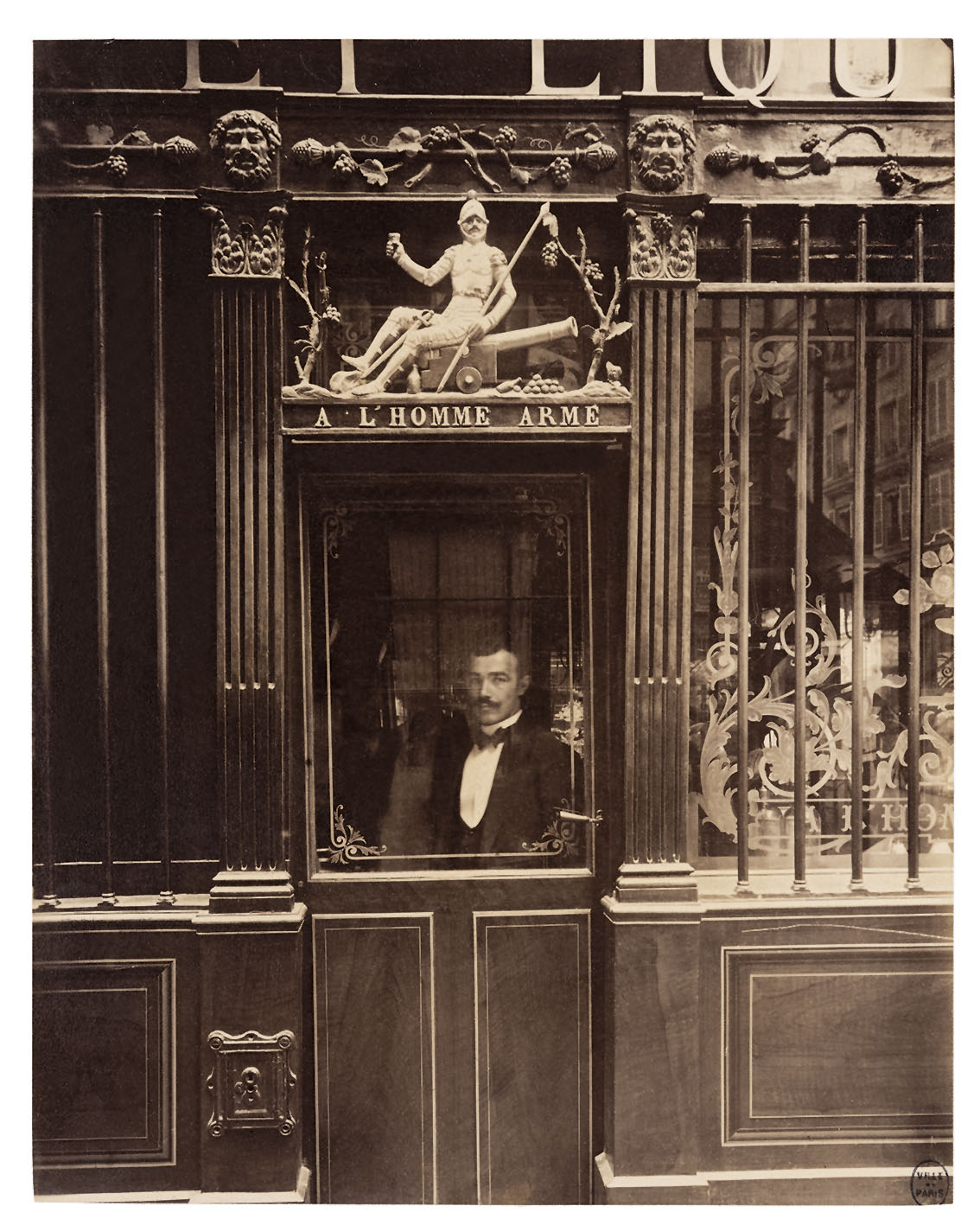
Eugène Atget (French, 1857-1927)
Cabaret de l’Homme armé, 25, rue des Blancs-Manteaux, IVe
September 1900
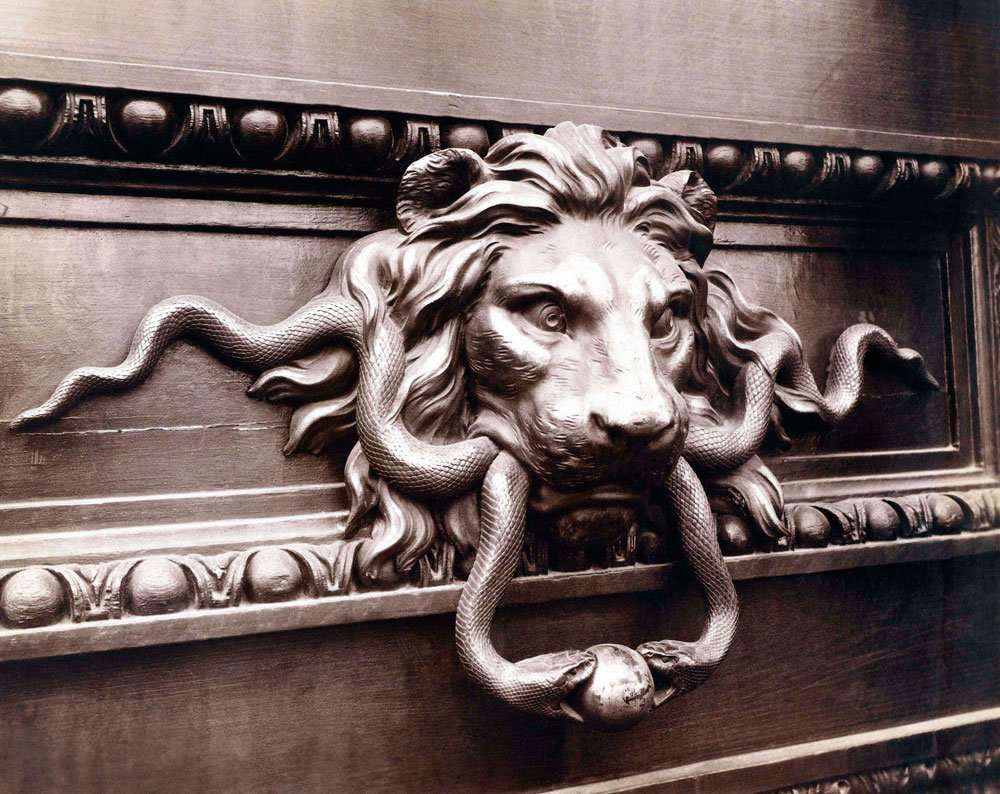
Eugène Atget (French, 1857-1927)
Heurtoir à tête de lion, hôtel de la Monnaie, quai Conti, 6e arrondissement
(Lion head knocker, Hotel Monnaie, Quai Conti, 6th District)
September 1900
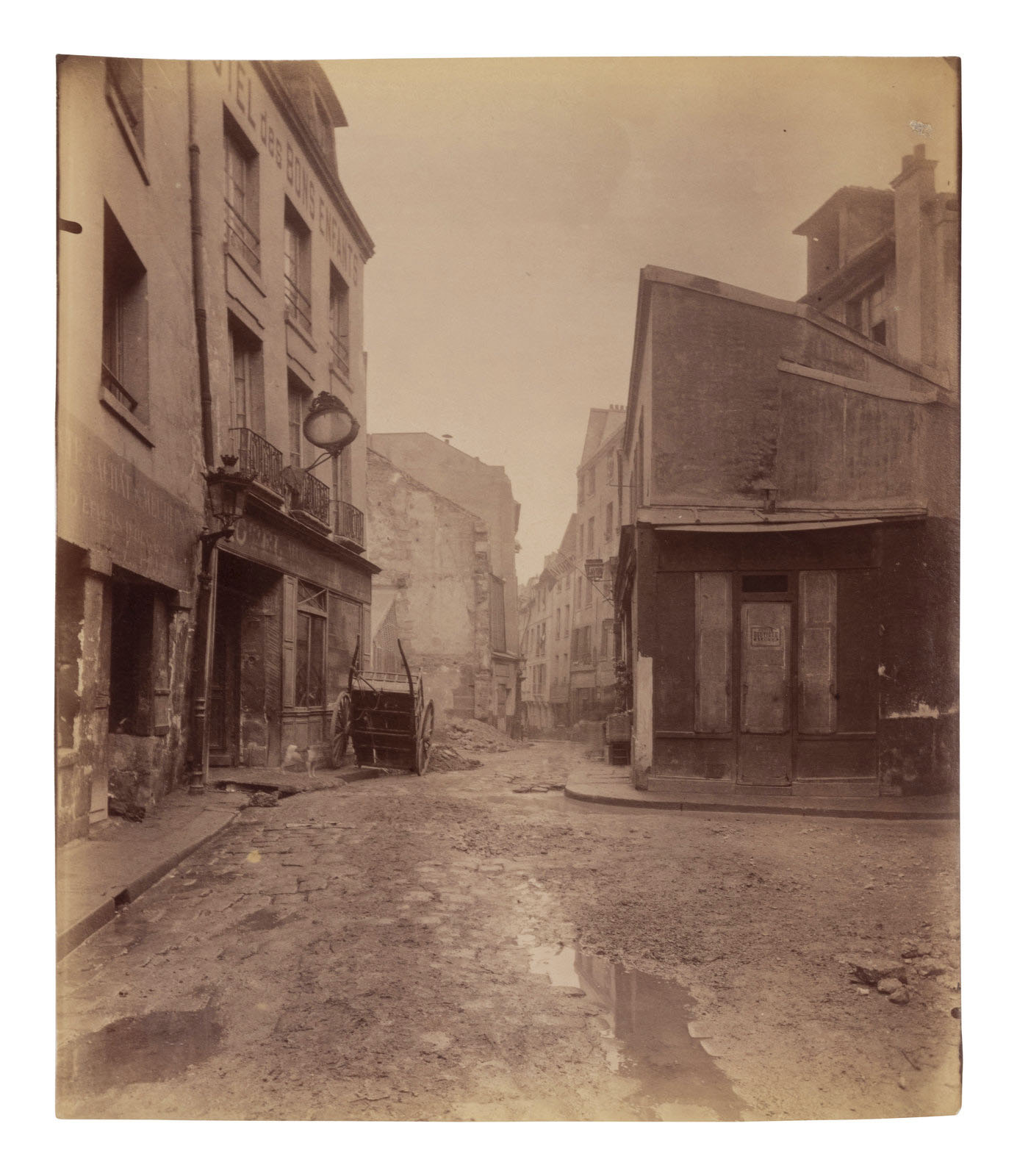
Eugène Atget (French, 1857-1927)
Rue Saint-Médard, 5e arrondissement
1899-1900

Eugène Atget (French, 1857-1927)
Église Saint-Médard, Ve
1900-1901
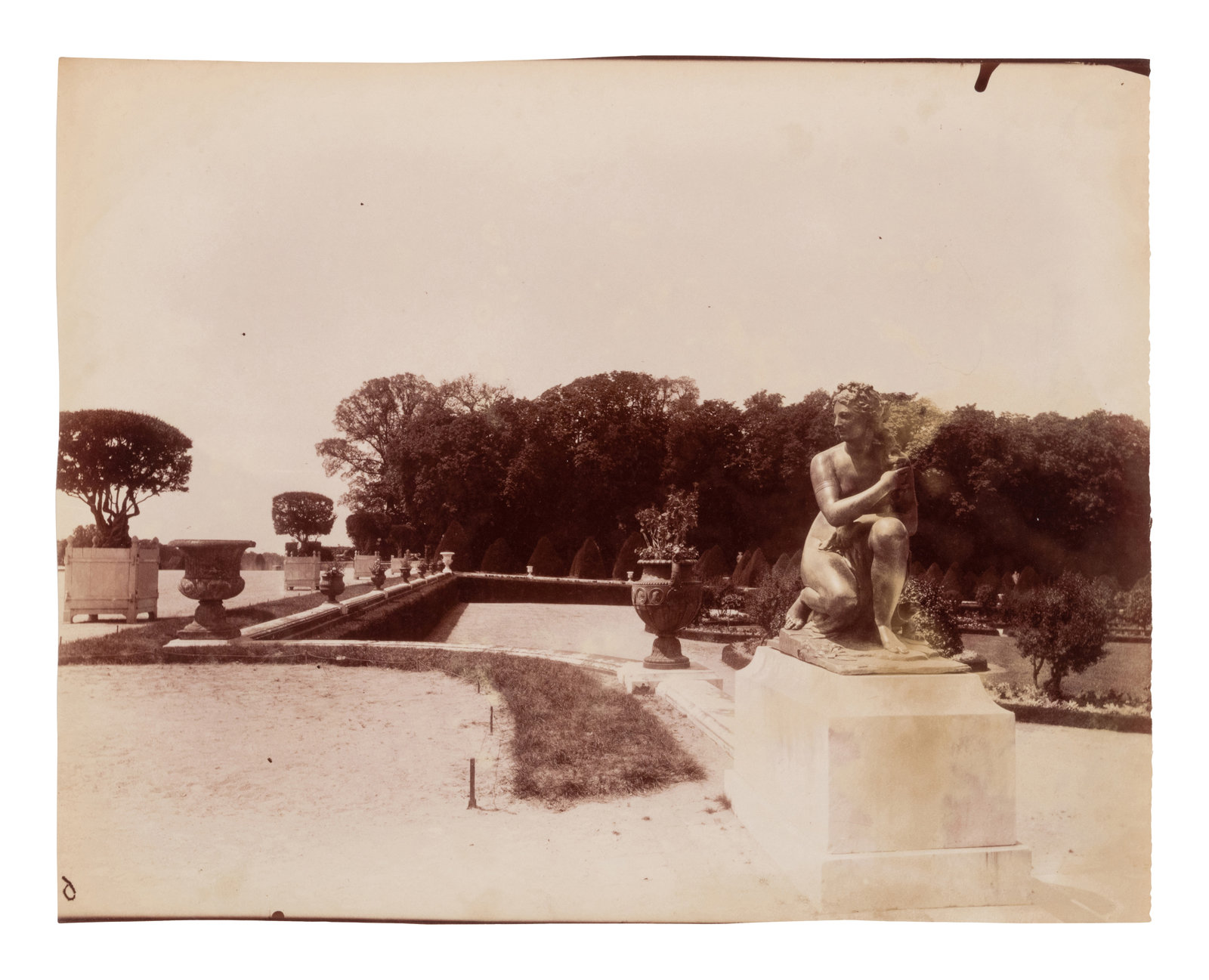
Eugène Atget (French, 1857-1927)
La Vénus accroupie, par Coysevox (Versailles)
1902
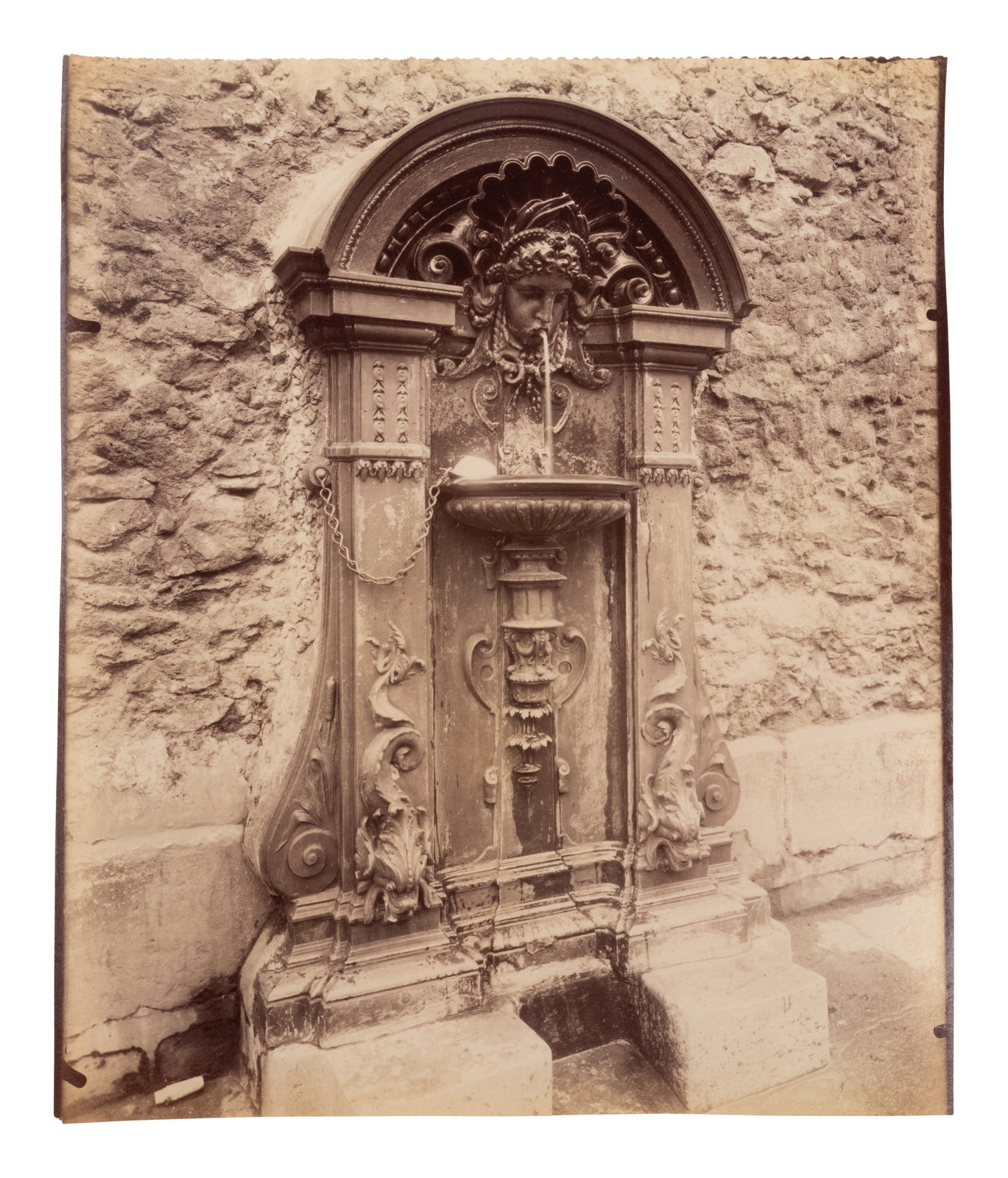
Eugène Atget (French, 1857-1927)
Fontaine, rue Geoffrey Saint-Hilaire
1905

Eugène Atget (French, 1857-1927)
Ambassade d’Autriche, 57, rue de Varenne, VIIe
1905
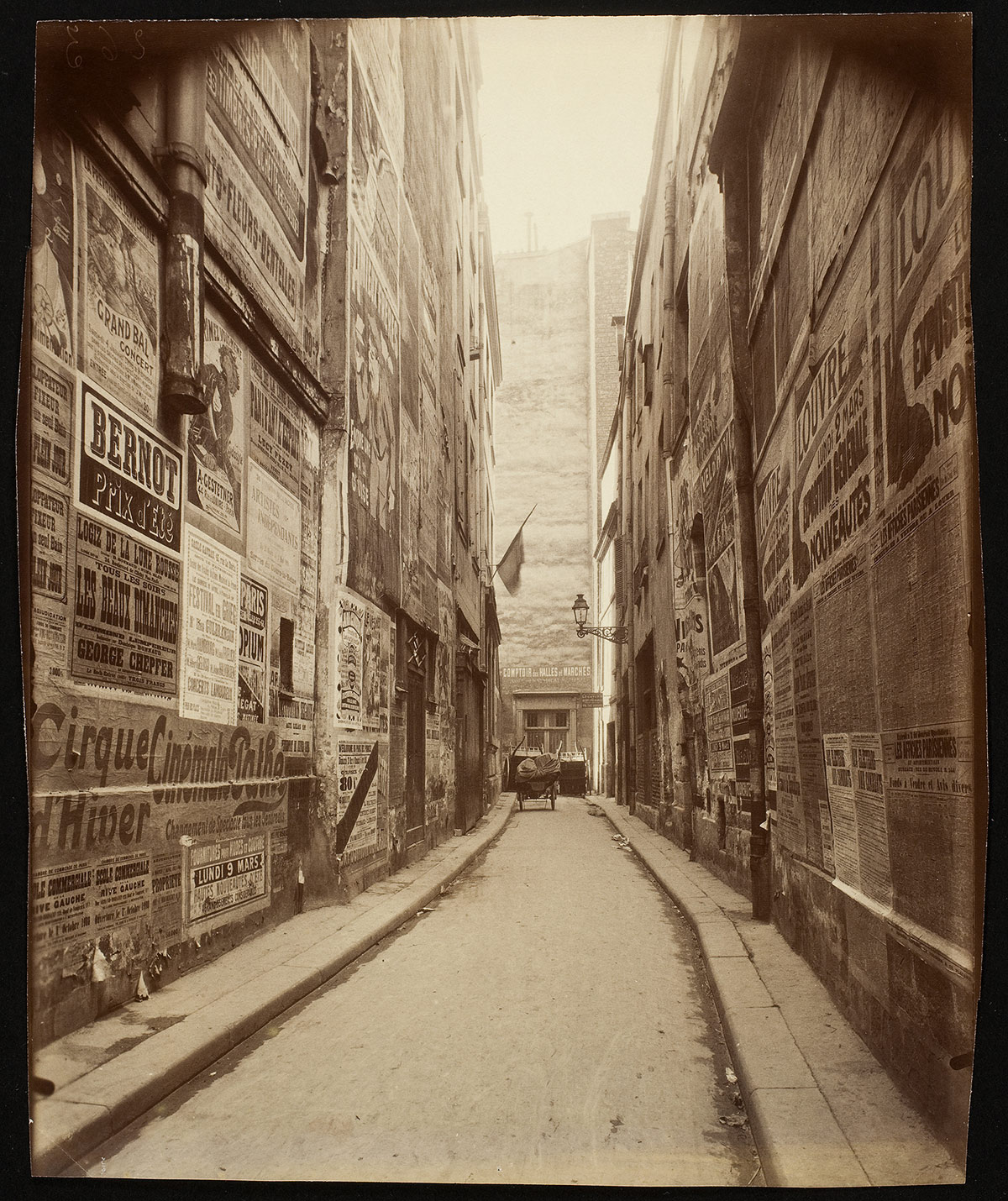
Eugène Atget (French, 1857-1927)
Impasse des Bourdonnais
c. 1908
![Eugène Atget (French, 1857-1927) 'Pommiers [et blés]' 1910 or earlier](https://significantsnappers.com/wp-content/uploads/2024/11/atget-pommiers-et-bles-1910-or-earlier.jpg "Eugène Atget (French, 1857-1927) 'Pommiers [et blés]' 1910 or earlier")
Eugène Atget (French, 1857-1927)
Pommiers [et blés]
1910 or earlier
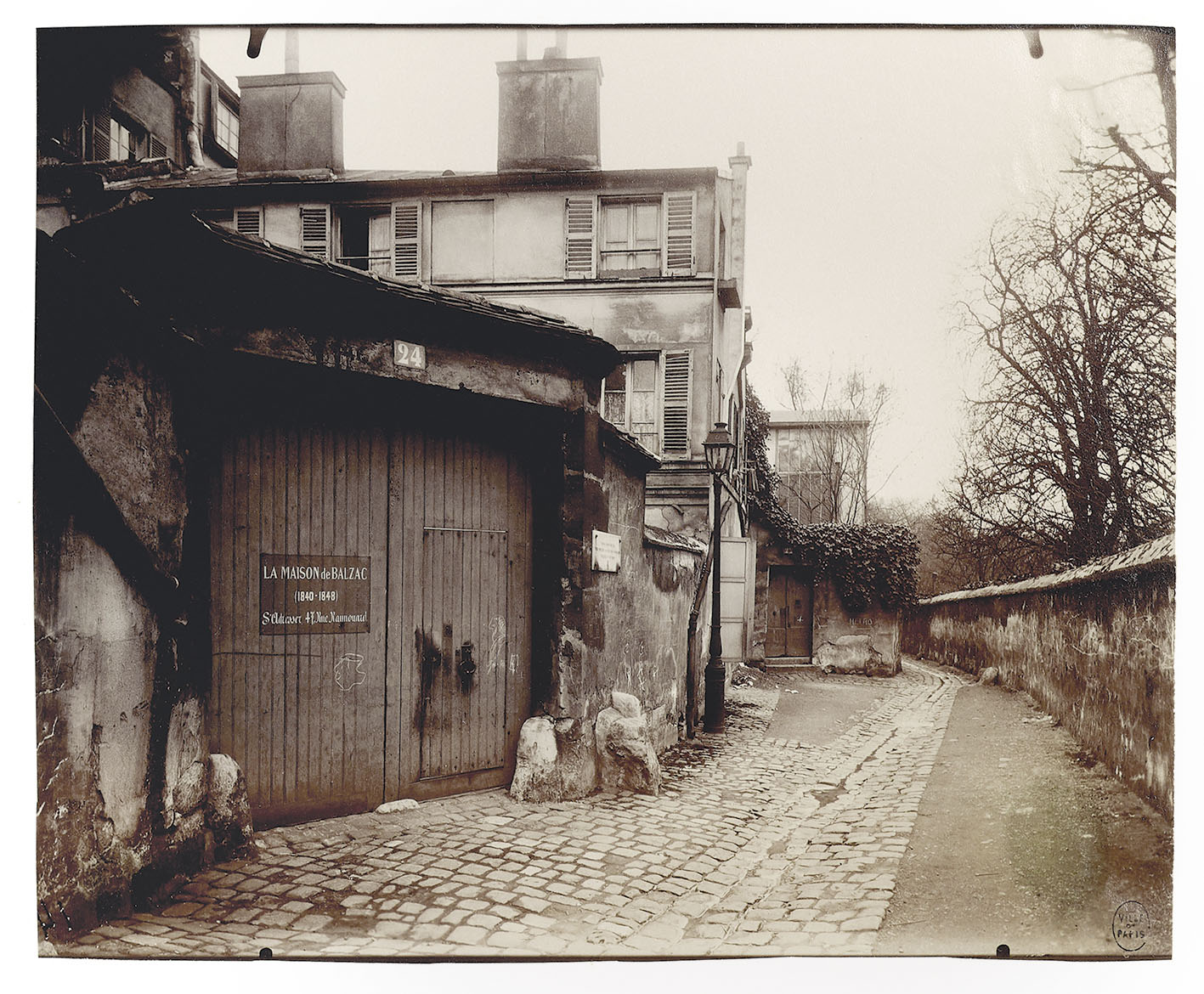
Eugène Atget (French, 1857-1927)
Maison de Balzac, 24, rue Berton, XVIe
1913
![Eugène Atget (French, 1857-1927) 'Plessis Piquet [Entrée pittoresque, Châtillon]' 1921](https://significantsnappers.com/wp-content/uploads/2024/11/atget-plessis-piquet-entree-pittoresque-chatillon-1921.jpg "Eugène Atget (French, 1857-1927) 'Plessis Piquet [Entrée pittoresque, Châtillon]' 1921")
Eugène Atget (French, 1857-1927)
Plessis Piquet [Entrée pittoresque, Châtillon]
1921

Eugène Atget (French, 1857-1927)
Courtyard, 7 Rue de Valence, 5th arr.
June 1922
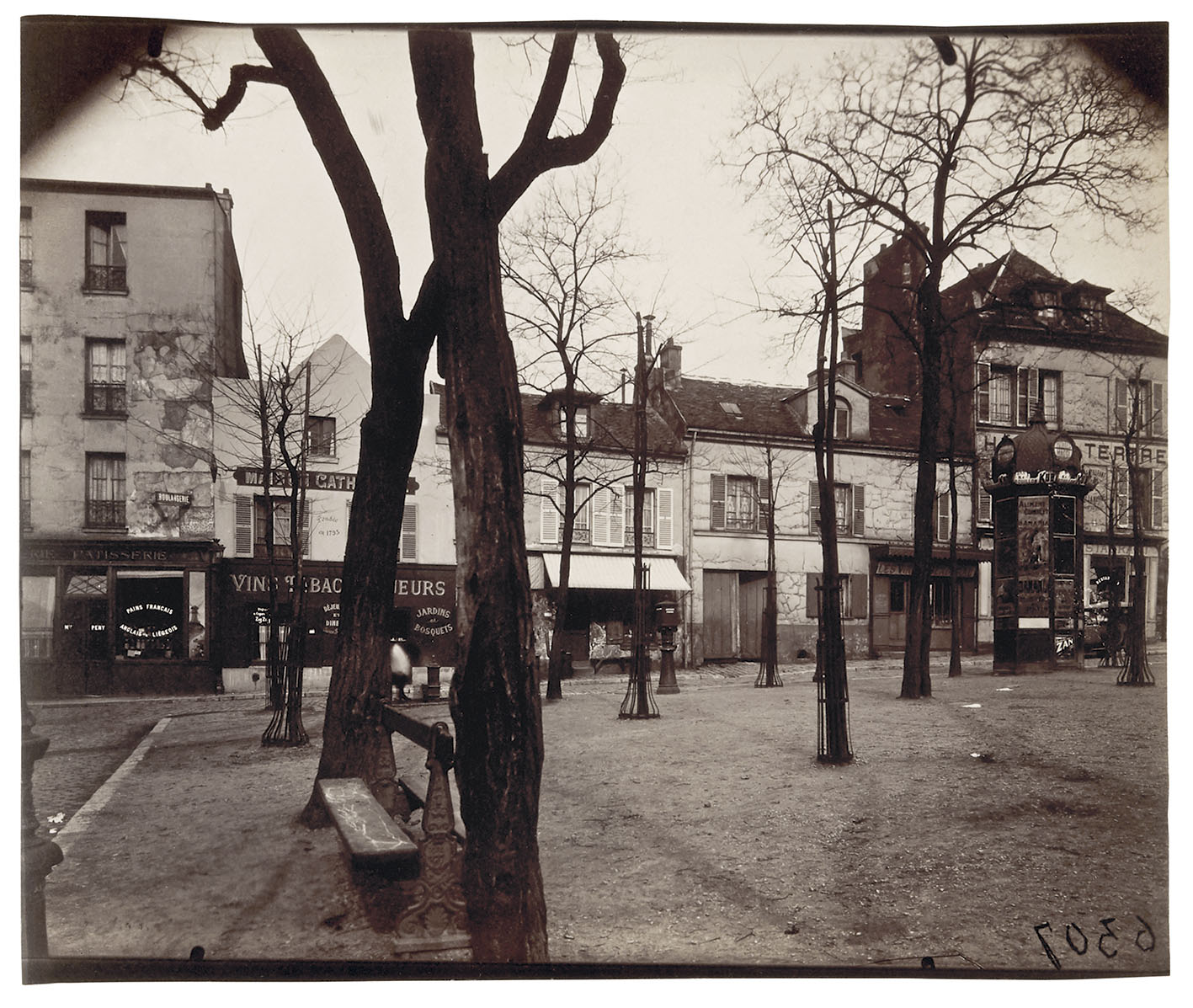
Eugène Atget (French, 1857-1927)
Place du Tertre, Montmartre, XVIIIe
1922
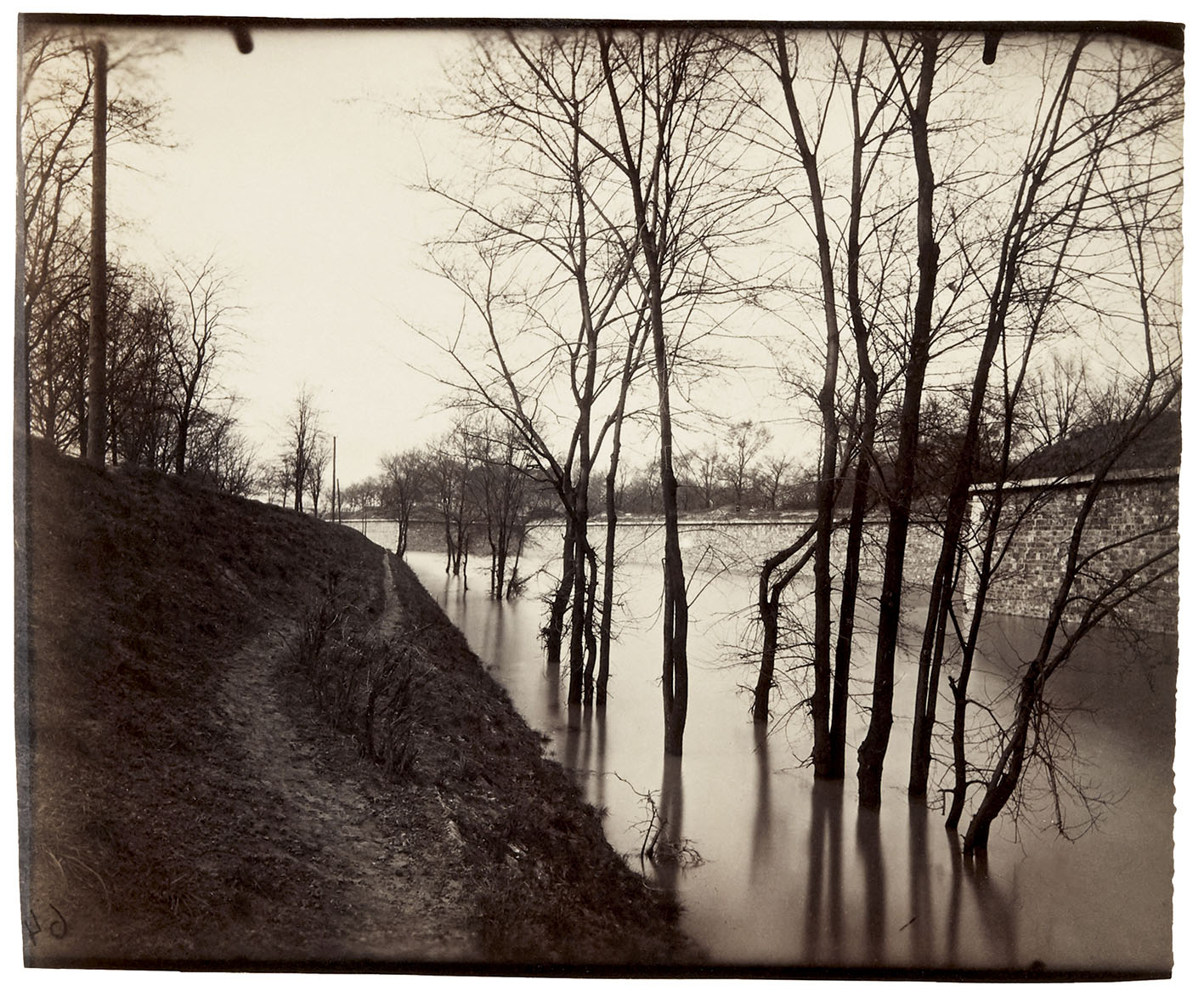
Eugène Atget (French, 1857-1927)
Fortifications, porte de Sèvres, XVe
1923
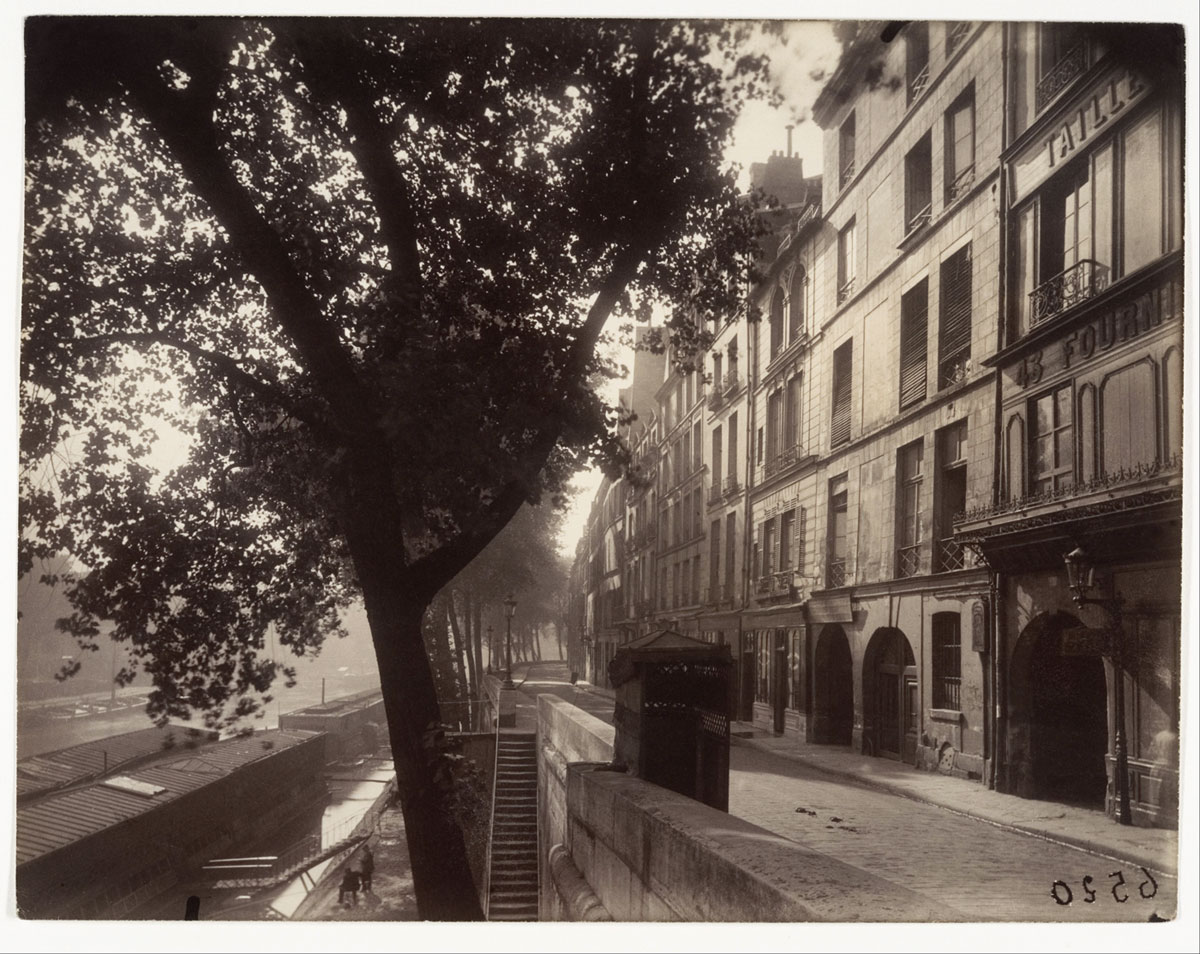
Eugène Atget (French, 1857-1927)
Quai d’Anjou, 6h du matin
1924
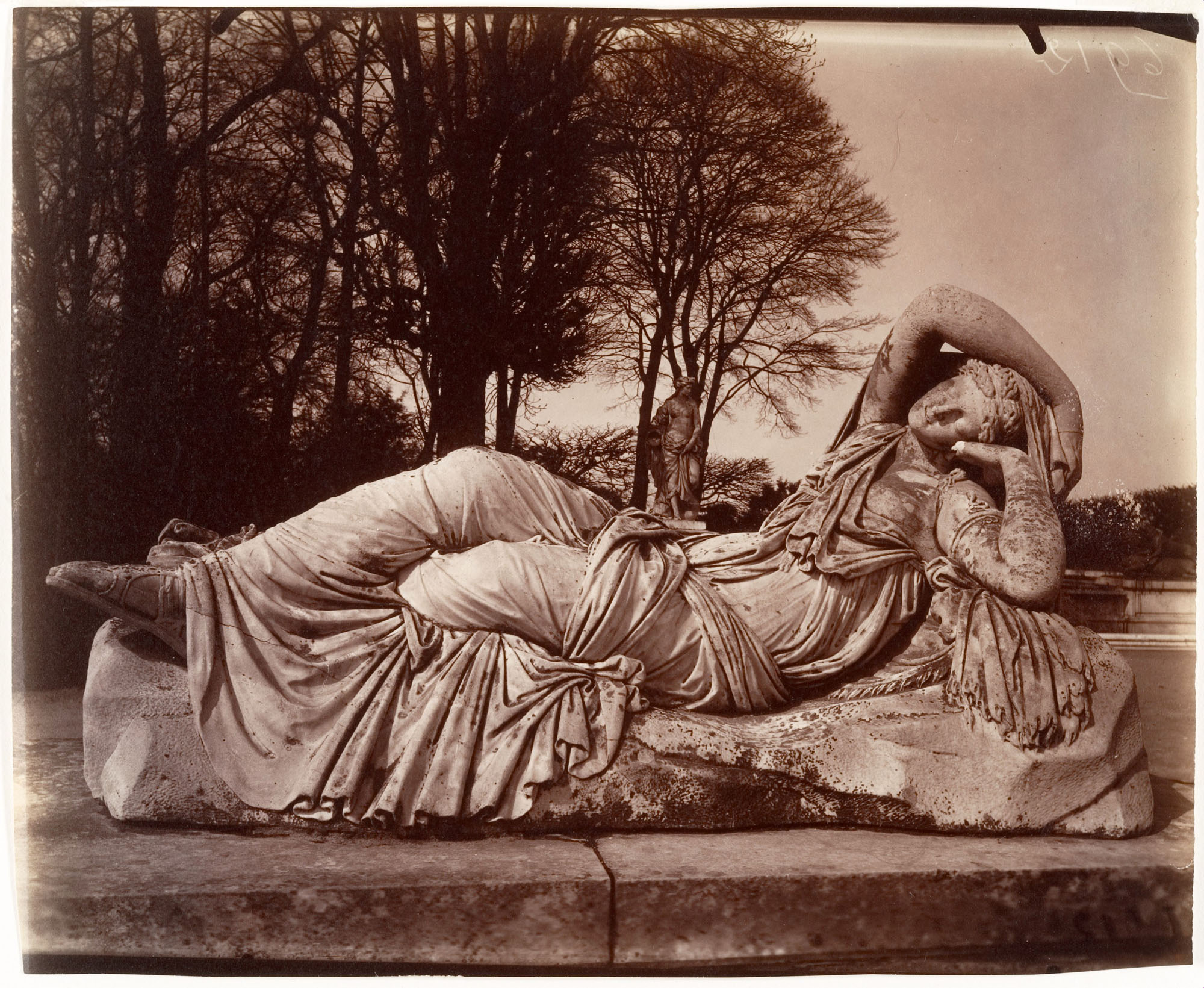
Eugène Atget (French, 1857-1927)
Versailles
1924-1925
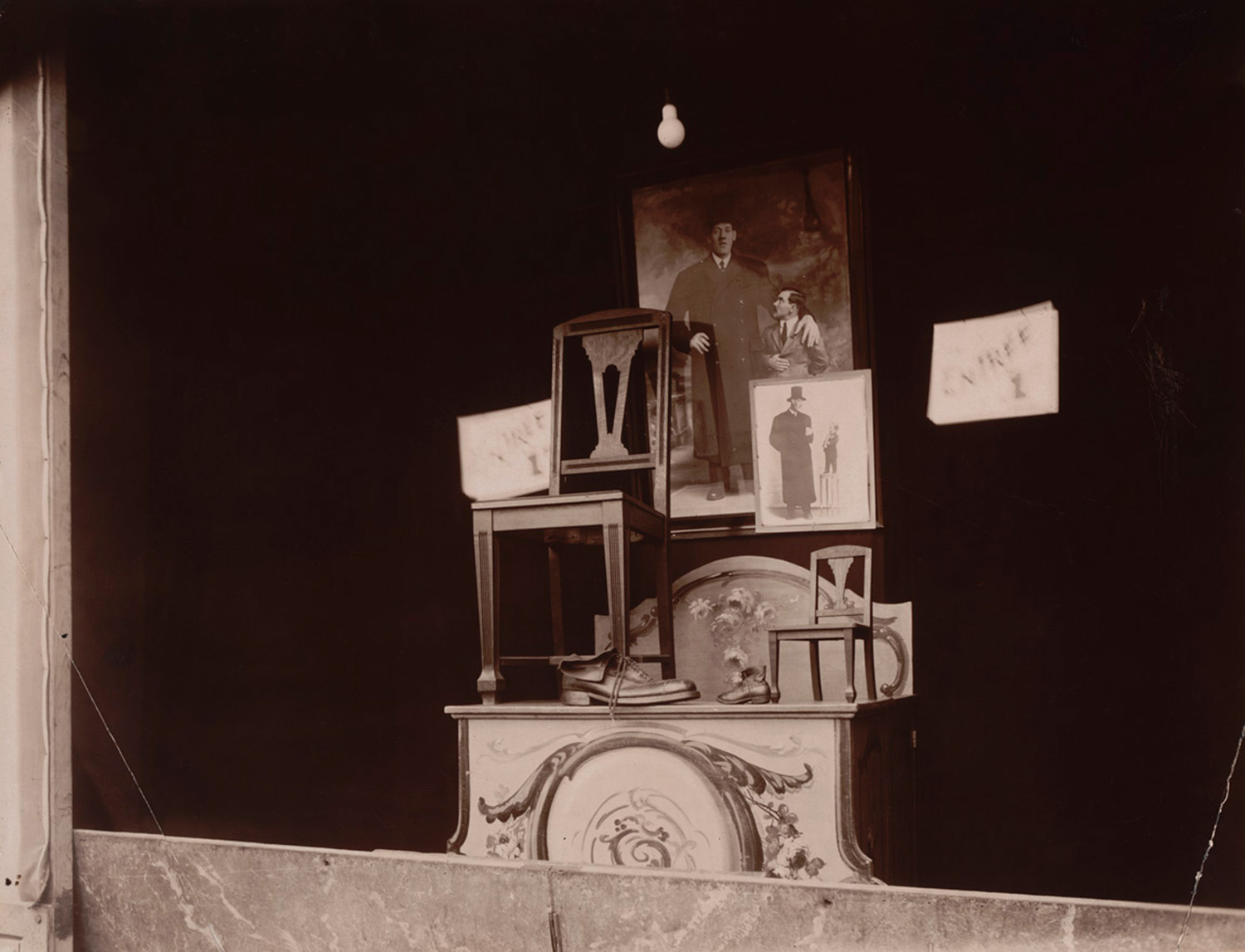
Eugène Atget (French, 1857-1927)
Fête du Trône
1925
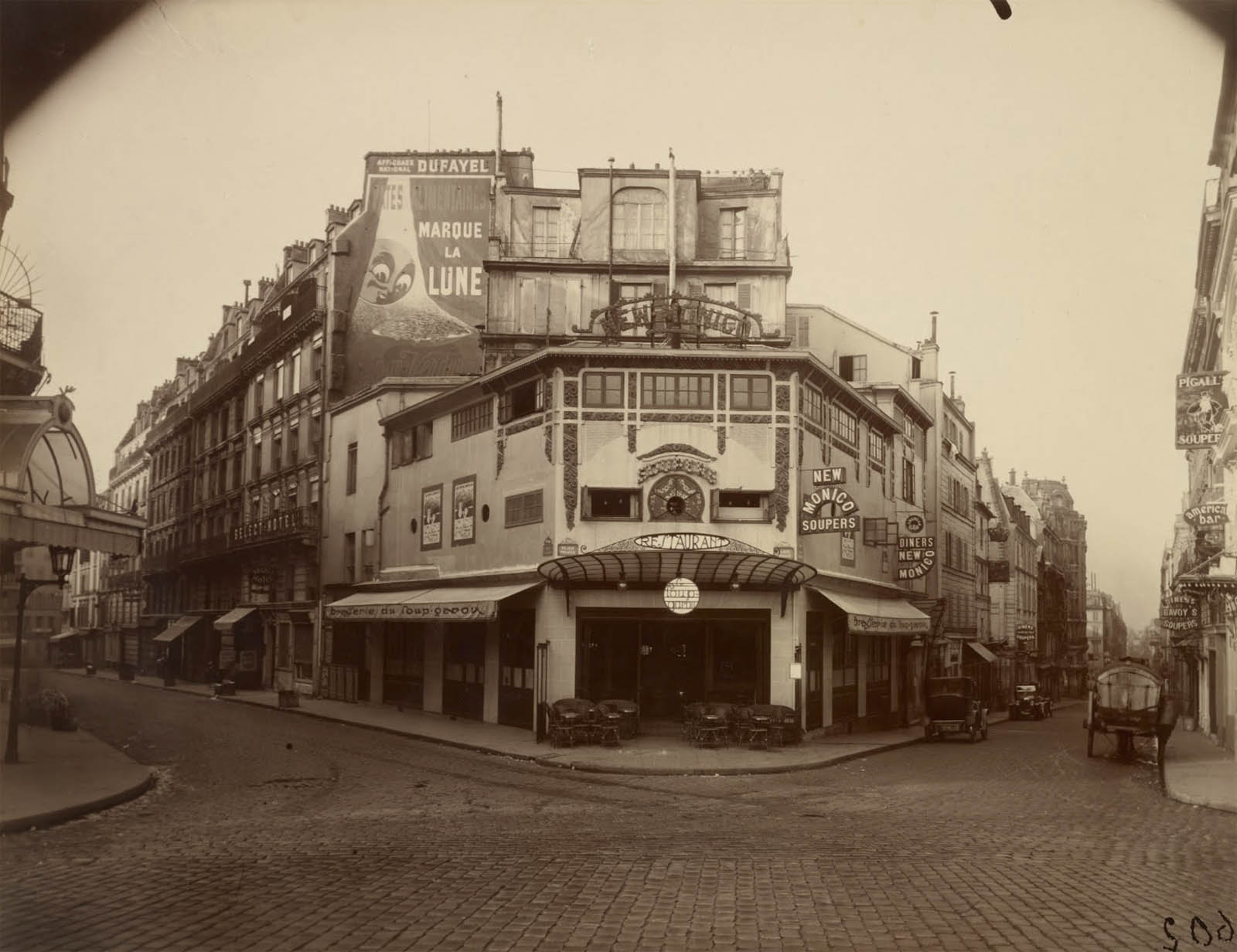
Eugène Atget (French, 1857-1927)
Place Pigalle
1925

Eugène Atget (French, 1857-1927)
Le Dôme, boulevard Montparnasse
June 1925

Eugène Atget (French, 1857-1927)
Parc de Sceaux
June 1925
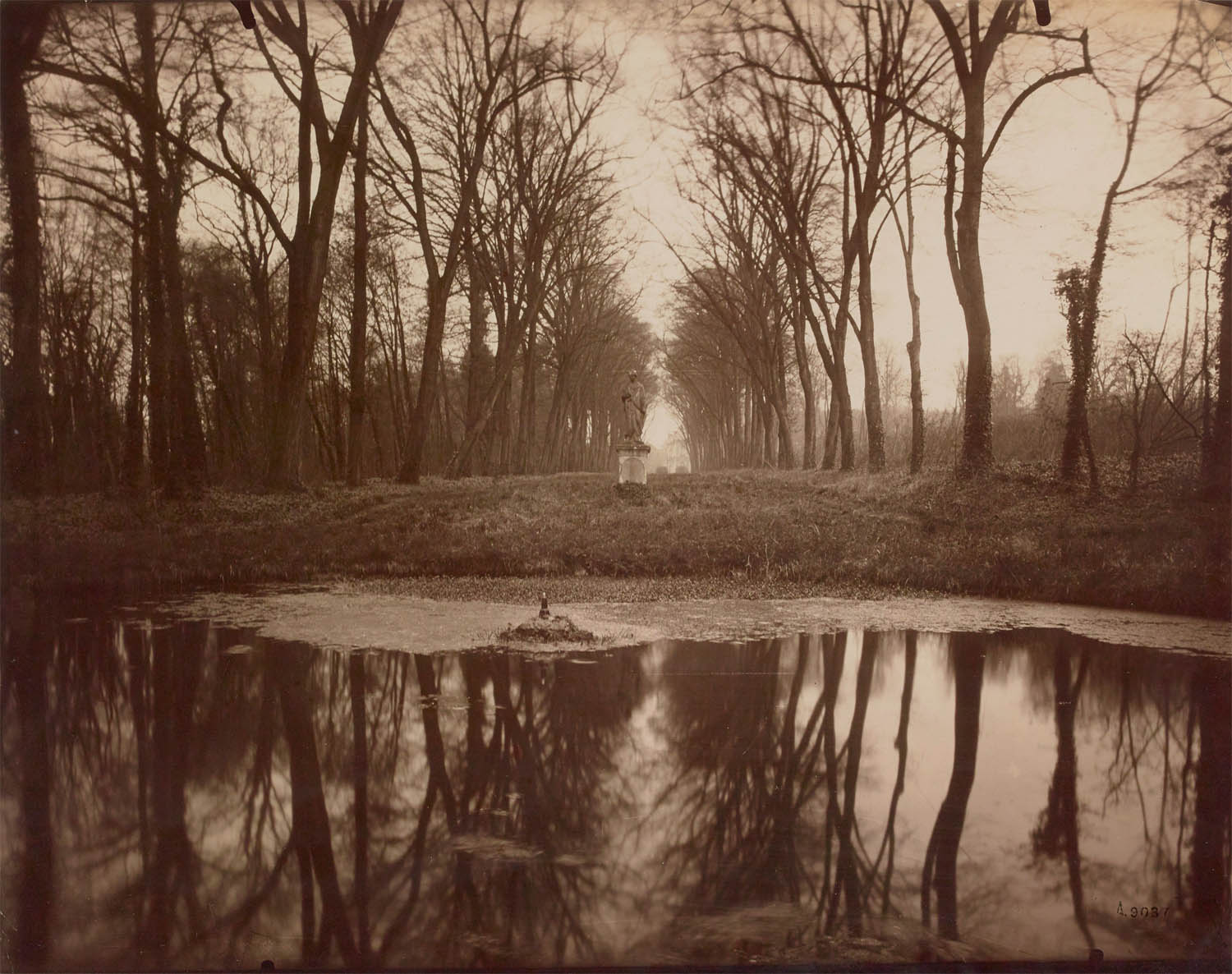
Eugène Atget (French, 1857-1927)
Parc de Sceaux, Duchess Alley
Between 1925 and 1927
![Eugène Atget (French, 1857-1927) '[Atget's Work Room with Contact Printing Frames]' c. 1910](https://significantsnappers.com/wp-content/uploads/2024/11/atgets-work-room.jpg "Eugène Atget (French, 1857-1927) '[Atget's Work Room with Contact Printing Frames]' c. 1910")
Eugène Atget (French, 1857-1927)
[Atget’s Work Room with Contact Printing Frames]
c. 1910
Eugène Atget exhibitions and photographs on Art Blart
~ Photographs: Eugène Atget (French, 1857-1927), November 2023
~ Text/Exhibition: “The power of imagination” on the exhibition ‘Eugène Atget, Voir Paris’ at the Fondation Henri Cartier-Bresson, Paris, June – September 2021
~Text: “Atget’s shadow,” on his Paris photographs, August 2020
~ Exhibition: ‘Eugène Atget: Old Paris’ at the Art Gallery of New South Wales, Sydney, August – November 2012
~ Exhibition: ‘Eugène Atget, Paris’ at the Carnavalet Museum, Paris, April – July 2012
~ Exhibition: ‘Eugène Atget: As Paris Was’ at Ticho House, the Museum of Israel, Jerusalem, March – June 2012
~ Exhibition: ‘Eugène Atget: “Documents pour artistes”’ at the Museum of Modern Art (MoMA), New York, February – April 2012
 Significant Snappers